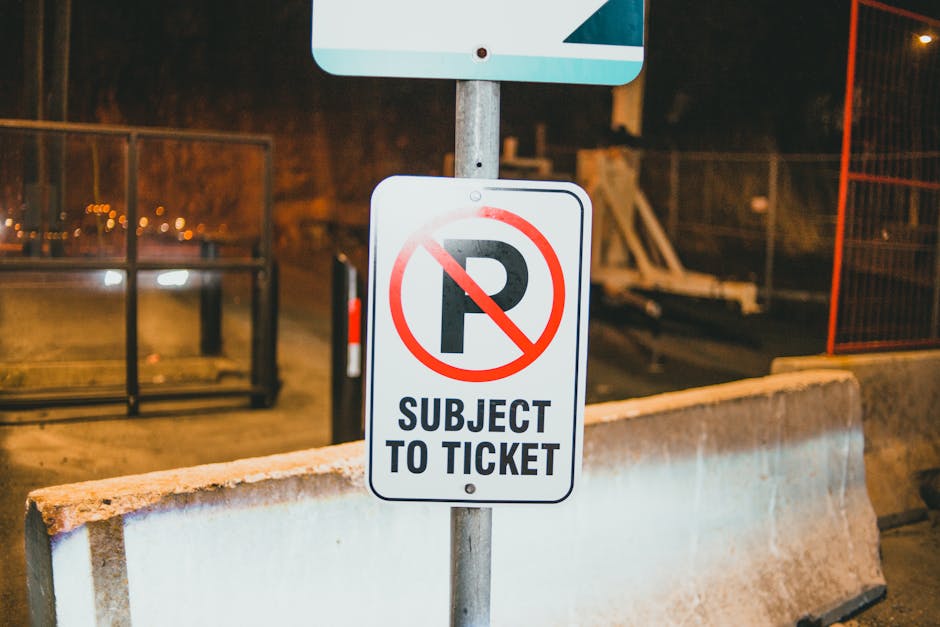
Kingston council rules for parking suspensions during removals
Posted on 07/07/2026

Kingston council rules for parking suspensions during removals: what you need to know before moving day
Parking can make or break a removal day. If the van cannot stop near your front door, everything slows down: boxes get carried farther, neighbours get irritated, and the clock starts ticking. That is exactly why understanding Kingston council rules for parking suspensions during removals matters so much. A well-planned suspension can save a move from turning into a stressful, stop-start shuffle with a wheelbarrow and a lot of sighing.
This guide explains how parking suspensions are usually handled in Kingston, why they matter, what to check before you book, and how to avoid the common mistakes that catch people out. If you are moving a flat, a house, or an office, the principles are the same: plan early, read the restriction carefully, and make sure the vehicle can legally and safely load where it needs to.
Why Kingston council rules for parking suspensions during removals Matters
A move is already full of moving parts, and parking is one of those details that seems small until it goes wrong. In Kingston, as in many London boroughs, streets can be narrow, bays can be busy, and restrictions can change from one side of the road to the other. If your removal vehicle cannot stop legally close to the property, the job becomes slower, harder, and sometimes more expensive.
That is the real value of checking the rules early. A parking suspension is not just a bureaucratic extra. It is a practical tool that helps protect access for the removal van, reduces the distance items need to be carried, and lowers the chance of blocked traffic or enforcement action. For furniture moves, especially when you have sofas, wardrobes, or appliances, those few metres matter more than most people expect.
There is also a human side to it. On moving day, nobody wants to stand in the hallway wondering whether the van is going to be moved on. Nobody wants to hear that familiar beep of a neighbour trying to get out of a space you have not properly arranged. Truth be told, parking is one of the easiest parts of a move to sort out and one of the easiest to ignore until it is too late.
If you are still weighing up the wider move, it can help to look at the area itself too. Some people check local living factors alongside move logistics, using advice like local guidance on whether Kingston is the right place or browsing broader move planning content in the Kingston blog. That wider context often makes the parking decision feel less isolated and more manageable.
How Kingston council rules for parking suspensions during removals Works
A parking suspension is usually a temporary restriction that reserves a parking bay or stretch of kerb space for a specific purpose and time. In removals, that purpose is often loading and unloading. The exact format can vary, but the idea stays the same: you are asking for a section of road space to be kept clear so your removal vehicle can park there without interruption.
In practice, the process tends to involve a few core steps. You identify the property, the road location, the date, and the time window you need. You then check whether a suspension is appropriate, whether another parking arrangement will do the job, and whether the street layout can actually accommodate the vehicle. Some roads are straightforward. Others are a bit of a puzzle, especially around busier parts of Kingston, station areas, or tightly parked residential streets.
It is worth remembering that parking suspensions are usually about access control rather than convenience. The council is balancing your move against road safety, traffic flow, local residents, and existing parking demand. That is why the notice period, bay markings, and sign placement matter. If a suspension is approved, it still has to be used exactly as arranged. If it is not, the vehicle may need to use a legal alternative such as a paid bay, a loading-only position where permitted, or a different route with more room.
For local moving jobs, this planning often sits alongside other practical issues. A removal in a flat near a station, for example, may need better kerbside coordination than a detached house with a driveway. If your move is time-sensitive, you may also want to consider pages such as flat removals in Kingston or same-day removals in Kingston upon Thames where access planning is often a big part of the job.
Key Benefits and Practical Advantages
When the parking side is sorted properly, the whole move usually feels calmer. Not magical. Just calmer. You notice it in the small things: fewer pauses between loads, less back-and-forth over long pavements, and a better rhythm for the removal crew. That rhythm matters, especially on a day when everyone is already a bit on edge.
- Closer vehicle access: items travel a shorter distance, which is especially helpful for heavy or awkward furniture.
- Less risk of enforcement issues: a correctly arranged suspension reduces the chance of fines or disputes.
- More efficient loading: the crew can work faster when the van is where it needs to be.
- Better protection for belongings: shorter carries mean fewer opportunities for knocks, scrapes, and stress.
- Less disruption to neighbours and traffic: a planned stop is cleaner than an improvised one.
There is a commercial benefit too. If your removal company charges by time, a smoother loading process may help keep the job within the agreed window. That does not guarantee savings every time, but in real-world moving, efficiency is rarely a bad thing.
For people comparing services, these parking details are one reason some moves run more smoothly than others. It is not just about having a van. It is about having a crew that understands local access, loading space, and the way Kingston streets actually behave on a busy morning.
Who This Is For and When It Makes Sense
Parking suspensions are not only for large, complicated moves. They can make sense for all sorts of situations where access is tight or time is limited. In our experience, they are most useful when the vehicle needs to stop right outside the property or as close as possible.
- Flat moves: especially where there is no private driveway and stairs or lifts add time.
- House removals: useful where the front of the property is on-street parking only.
- Office removals: when equipment, files, and furniture need a clean loading zone.
- Student moves: often short-notice, often in busy streets, often with not enough space.
- Piano or heavy-item moves: these benefit from the shortest possible carry distance.
If you live near the station, in a denser terrace street, or on a road where parking fills quickly, a suspension can be particularly sensible. The same goes for moves that involve narrow roads or awkward bends where a van may struggle to park without causing trouble. If that sounds familiar, it may be worth reading related local advice such as Kingston station removals guidance or tips for narrow street moves in KT1.
To be fair, not every move needs a formal suspension. Sometimes a sensible loading plan and an early arrival are enough. But if your access is tight, do not gamble on finding an empty space and hoping for the best. That is how people end up improvising with hazard lights on and a queue forming behind them. Not ideal.
Step-by-Step Guidance
If you want the parking side to run smoothly, follow a proper sequence rather than dealing with it on the morning of the move. Here is a practical approach that works well in real life.
- Assess the street first. Look at bay markings, yellow lines, time restrictions, and how much room a van actually needs. Do not assume the first available space will do.
- Measure the access problem. Is it a narrow road, a fully parked street, or a bay that is usually occupied? The answer helps determine whether a suspension is worth pursuing.
- Check your move date and time. Some roads are easier in the early morning, while others are packed all day. Pick the slot with the least friction.
- Gather property details. You will usually need the full address and clear instructions about the loading point.
- Request the suspension in advance. Leave plenty of time. Parking arrangements are not something to leave until the evening before unless you enjoy stress. And who does?
- Confirm what the suspension covers. Make sure you understand the exact road section, time window, and any conditions attached to the arrangement.
- Share the plan with your mover. The crew should know where to park, how long access is likely to take, and whether there are any awkward features such as dropped kerbs, bollards, or one-way restrictions.
- Prepare the property. Clear hallways, label boxes, and keep the path to the door as open as possible. A good parking setup and a tidy interior go hand in hand.
- Check signage on the day. If a suspension is in place, verify that it is visible and consistent with the agreed arrangement.
- Keep a fallback option. Sometimes another legal loading point nearby is available if the main spot is blocked. A backup plan saves the day more often than people think.
If you want to line up parking with the move itself, it can also help to review the broader service setup in the services overview and look at how different move types are handled in removals in Kingston. The best outcomes usually come from joining the dots rather than treating parking as a separate afterthought.
Expert Tips for Better Results
A few practical habits make a big difference here. Not dramatic, just useful. The kind of things experienced movers notice straight away.
- Book earlier than you think you need to. Even when the move feels distant, parking arrangements can take longer than expected.
- Use precise instructions. "Outside the flat" is not as helpful as "outside number 18, near the loading bay, on the east side of the road."
- Match the vehicle to the street. A smaller van can sometimes be the smarter choice if access is awkward.
- Build in buffer time. A suspension helps, but loading can still be slowed by stairs, lifts, or last-minute packing.
- Keep neighbours in mind. A quick heads-up can avoid confusion and complaints, especially on tight residential roads.
- Photograph the bay or street layout if needed. A simple photo can help explain the situation more clearly than a long description.
One thing that catches people out is assuming the kerb space is free just because the road looks quiet at 7am. By 8:30, it may be a different story entirely. Kingston mornings can change fast. A bus pulls in, someone returns from a school run, and suddenly the space you were counting on has vanished.
If your move is tied to a wider property change, you may also find it useful to look at planning content like home-selling tips for Kingston or real estate insight for Kingston. They are not parking guides, of course, but they do help you think about timing, access, and the practical realities around a move.

Common Mistakes to Avoid
Most parking headaches come from a handful of predictable mistakes. The good news is they are easy to avoid once you know what to look for.
- Leaving it too late: applications and checks should happen well before move day.
- Assuming a suspension is automatic: it usually is not. You need to verify the arrangement, not just hope for it.
- Ignoring the size of the vehicle: a space that looks fine for a car may still be awkward for a removal van.
- Not checking the bay restrictions: some streets have time limits, permit zones, or loading conditions that matter.
- Forgetting to tell the removal crew: if the team does not know the access plan, they cannot work around it properly.
- Relying on a vague memory of the street: always re-check. Streets change, signs change, and sometimes your memory is a bit too optimistic.
There is also a subtle mistake people make when they are moving in a rush: they focus only on the front door and forget about the route from van to property. A narrow stairwell, a low wall, a shared entrance, or a courtyard gate can turn a "short carry" into a much longer job. One thing leads to another, and suddenly everyone is carrying a wardrobe sideways.
If you are trying to keep costs under control, you might also benefit from reading how to avoid hidden removals fees in Kingston. Parking issues and unexpected delays often show up as extra time on the clock, so the two topics are more connected than they first appear.
Tools, Resources and Recommendations
You do not need a complicated toolkit to manage parking for a removal, but a few simple things help enormously.
- A street view check: look at the road layout ahead of time and note any awkward corners, one-way systems, or restricted bays.
- A written access plan: keep the address, move time, loading point, and backup arrangements in one place.
- Photos of the street: helpful if you are explaining access to a mover, landlord, or building manager.
- A floor-plan or room list: not directly for parking, but it helps the crew move quickly once they arrive.
- Clear packing materials: proper boxes and wrapping reduce handling time and make loading more orderly. See packing and boxes in Kingston for a practical local starting point.
For larger homes, especially if the move involves bulky items, a bigger vehicle or a different load strategy may be needed. In those situations, pages such as house removals Kingston, furniture removals Kingston, and even piano removals Kingston can be helpful for thinking through the type of access your move will need.
You may also want to compare vehicle and service options early. A smaller job might suit a man and van Kingston setup, while a larger one may work better with a dedicated removal van Kingston arrangement. It sounds obvious, but the vehicle choice and the parking choice should be made together, not separately.
Law, Compliance, Standards, or Best Practice
Parking suspensions sit within a wider framework of local traffic management, road safety, and civil enforcement. The exact procedures and requirements can differ by street and by circumstance, so it is safest to treat any Kingston move as a local compliance exercise rather than a one-size-fits-all process.
In practical terms, best practice usually means:
- checking the restriction status of the road before booking the move;
- making sure any suspension or loading arrangement is confirmed in advance;
- keeping to the agreed time window;
- avoiding obstruction of pedestrians, cyclists, and traffic;
- following the mover's safety procedures while loading and unloading;
- respecting neighbours and shared access areas.
This is also where a good operator stands out. A mover who understands local access, vehicle positioning, and safe handling tends to reduce risk all round. If safety and responsibility matter to you, it can be useful to look at insurance and safety information and the company's health and safety policy. Those pages help show how a provider thinks about the job beyond simply "turn up and load the van."
For formal terms and commercial expectations, it is also sensible to review the terms and conditions and pricing and quotes. That way, you understand what is included, what may trigger extra time, and how parking-related delays might affect the booking. No one likes surprise fees. Absolutely nobody.
Options, Methods, or Comparison Table
Not every move needs the same parking approach. Sometimes a formal suspension is best; sometimes a simpler loading plan works fine. Here is a straightforward comparison.
| Approach | Best for | Pros | Watch-outs |
|---|---|---|---|
| Parking suspension | Tight streets, full-load removals, heavy items, busy roads | Most reliable access, cleaner loading, less chance of blockage | Needs planning, confirmation, and correct timing |
| Loading bay or legal loading stop | Shorter moves or streets with suitable existing provision | Can be simpler and quicker to arrange | May be time-limited or already in demand |
| Nearby legal parking with a longer carry | Less urgent moves, lighter loads, flexible access | No formal suspension needed | Slower, more physical, and sometimes more expensive in labour time |
| Smaller vehicle plus flexible arrival window | Narrow streets or awkward parking layouts | Greater manoeuvrability and easier positioning | May require more trips or careful packing |
For many Kingston moves, the best choice is not the flashiest one. It is the one that gets the van close enough to do the work safely and efficiently. Simple, really. But not always easy.
Case Study or Real-World Example
Here is a realistic example based on the sort of move people often make in Kingston. A couple were moving from a second-floor flat on a busy residential road near commuter routes. The street had limited parking and several cars were already in place by mid-morning. They originally planned to let the van "find a spot," which sounded manageable until they looked at the road properly and realised it would mean a long carry from around the corner.
They adjusted the plan. The move was scheduled earlier, access was checked more carefully, and the loading point was set out before the crew arrived. That meant fewer delays, less backtracking, and a much tidier handover from old flat to new home. Nothing dramatic happened, which is exactly the point. The move just worked.
What made the difference? Three things: earlier planning, clearer communication, and a realistic view of the street. That is often the story behind smooth removals. Not luck. Just decent preparation.
In a slightly different scenario, a family moving from a larger house in Kingston found that access was technically possible without a suspension, but the carry distance would have been awkward for a dining table and a few heavy wardrobes. They chose a vehicle and timing plan that reduced lifting pressure. The result was a calmer day and far less risk of damage. Small decisions, big impact.
Practical Checklist
Use this checklist a few days before the move. If you can tick most of these off, you are in good shape.
- Confirm the move date and expected arrival window.
- Check whether your street has parking restrictions or permit rules.
- Decide whether a suspension, loading bay, or alternative parking plan is needed.
- Share exact access instructions with your removal team.
- Measure any tight entrance, gate, or stair route that could slow the load.
- Prepare labels, boxes, and fragile items in advance.
- Keep one phone charged and ready for move-day coordination.
- Notify neighbours if the street is tight or access will be temporarily affected.
- Review safety and insurance details before the day arrives.
- Have a backup plan if the intended parking space is unavailable.
And one more thing: if you are moving at short notice, do not pretend the parking problem will solve itself by morning. It almost never does. That is where urgent planning and local know-how become valuable, especially for same-day moves in Kingston or a man with a van Kingston booking that needs quick but careful coordination.
Conclusion
Kingston council rules for parking suspensions during removals are not glamorous, but they are one of the most useful parts of a smooth move. Get them right and everything feels easier: less carrying, less waiting, less stress, fewer surprises. Get them wrong and even a well-planned removal can feel awkward fast.
The best approach is simple: check access early, match the vehicle to the street, confirm the parking setup in writing, and build the move around the reality of the road rather than wishful thinking. That is especially true in busy local streets where parking is already at a premium.
If you are still comparing options, a good next step is to think about the type of service you actually need, then line up the access plan to match. Whether that means a flat move, a full house move, or a smaller man-and-van job, the parking decision should support the move, not complicate it.
Get a free quote today and see how much you can save.
And if all you take away from this is one thing, let it be this: a calm move usually starts at the kerb, not the front door.