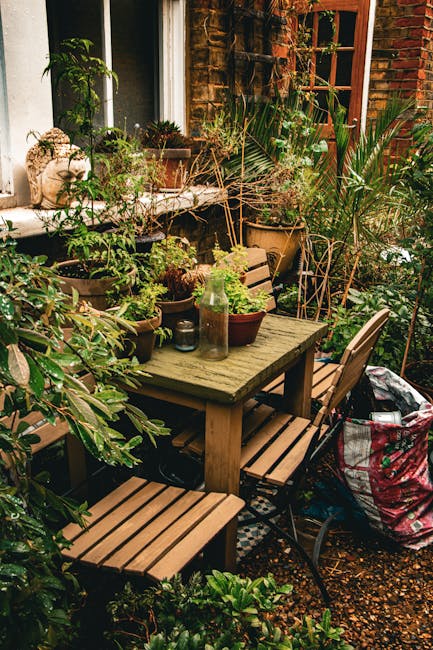
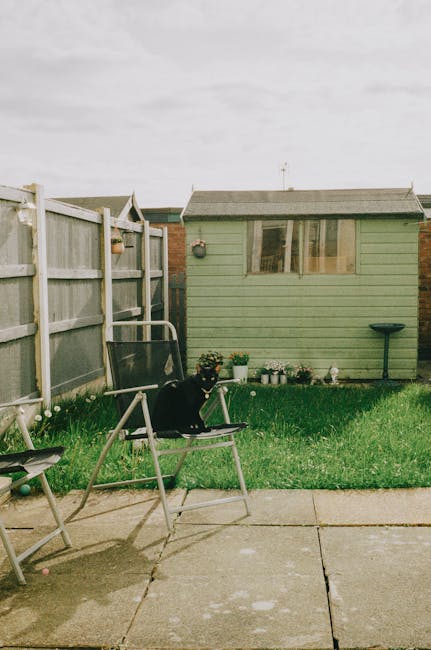
Hampton Wick house removals advice for small gardens: a practical guide for smoother moves
Moving house in Hampton Wick can feel straightforward on paper, then suddenly get awkward the moment you look at the garden. A narrow side passage, a few terracotta pots, a shed squeezed against the fence, and one awkwardly heavy bench can turn moving day into a bit of a faff. That is exactly why Hampton Wick house removals advice for small gardens matters: the outside space may be tiny, but it still affects access, packing, timing, and the safety of your belongings.
This guide is built for real-life moves in and around Hampton Wick, where outdoor space is often compact and access can be tighter than you first expect. You will find practical steps for protecting plants, clearing paths, handling garden furniture, and working with a removals team without causing chaos. If you are comparing service options as well, you may find it useful to look at our house removals support in Kingston and the wider services overview.
Truth be told, the garden is often the last thing people think about until the boxes are stacked by the back door. Then it becomes the first thing that needs proper planning.
Table of Contents
- Why Hampton Wick house removals advice for small gardens Matters
- How Hampton Wick house removals advice for small gardens Works
- Key Benefits and Practical Advantages
- Who This Is For and When It Makes Sense
- Step-by-Step Guidance
- Expert Tips for Better Results
- Common Mistakes to Avoid
- Tools, Resources and Recommendations
- Law, Compliance, Standards, or Best Practice
- Options, Methods, or Comparison Table
- Case Study or Real-World Example
- Practical Checklist
- Conclusion
- Frequently Asked Questions
Why Hampton Wick house removals advice for small gardens Matters
Small gardens are deceptively important during a move. They are not just decorative space; they are often the route for getting furniture, boxes, and dismantled items in and out of the property. In older terraces, maisonettes, and compact family homes, the garden may be the easiest way to avoid tight front entrances or narrow hallways. But if the space is cluttered or not prepared, it can quickly become the bottleneck.
In Hampton Wick, that matters even more because local streets and property layouts can create a mix of limited parking, shared access, and compact outdoor areas. You might have a neat little patio, but if a removal van needs clear access to a rear gate, even a few plant tubs can get in the way. And if the weather is wet - which, let's be honest, happens often enough - muddy paths and slippery slabs add another layer of risk.
The practical goal is simple: make the route from house to van as clean, safe, and efficient as possible. That means treating the garden like part of the moving plan, not an afterthought. It also means protecting anything you want to keep, because garden furniture, hose reels, ornaments, and potted plants are easy to damage if they are left in the wrong place at the wrong time.
If you are moving from a property with trickier access, it may also help to read local moving advice such as these tips for narrow street moves in KT1. The same thinking often applies to small-garden removals: measure first, move second, and do not assume there will be space just because there usually is.
How Hampton Wick house removals advice for small gardens Works
At its core, this kind of removals planning is about route management. You map the path between the house and the van, identify anything likely to slow people down, and organise the garden so it does not create accidental obstacles. Simple enough in theory. A bit fiddly in practice.
A good move through a small garden usually follows three stages:
- Assessment: check access points, gate width, surface condition, overhanging branches, and any loose items.
- Preparation: clear trip hazards, group garden items together, protect fragile pieces, and decide what needs dismantling.
- Execution: use the safest route, carry items in the right order, and keep heavy or awkward items separate from general boxes.
That sounds basic, but the detail matters. For example, a narrow side return might be fine for boxes, yet too tight for a washing machine or large wardrobe. Likewise, a small lawn may be technically accessible but unsuitable if it is soft after rain. A careful removals team will normally adjust the load route rather than forcing the issue. That is where experience counts.
If you want to understand how the broader move is handled, the general approach used by our man and van service in Kingston and man with a van support is designed to stay flexible around access issues, tight spaces, and short-notice changes. Small gardens often benefit from exactly that kind of flexibility.
Key Benefits and Practical Advantages
Preparing a small garden properly can save time, reduce stress, and lower the risk of damage. That is the obvious bit. The less obvious benefit is that it helps the whole move feel more controlled, which is worth a lot on a long day when people are tired and the kettle is already packed away.
Here are the main advantages:
- Faster loading: a clear garden route means fewer pauses and less doubling back.
- Lower risk of damage: fewer collisions with pots, railings, doors, and walls.
- Better safety: reduced trip hazards for you, your family, and the removals crew.
- Less weather trouble: items are less likely to sit outside and get damp or muddy.
- Cleaner handover: if you need to leave the property in good order, a tidy garden helps a lot.
There is also a commercial benefit if you are selling or renting out the property. A smart, uncluttered garden can make the moving process smoother for everyone involved. If you are preparing a property for sale, our home selling tips for Kingston may also help you think about presentation and timing in a practical way.
Expert summary: Small gardens cause problems when they are treated like decorative extras. Once you treat them as moving access areas, the whole day becomes easier to manage.
Who This Is For and When It Makes Sense
This advice is useful for a wide range of moves, but it is especially relevant if your property has any of the following:
- a rear garden with a narrow gate or side access
- paved areas crowded with planters, bins, or outdoor storage
- garden furniture that needs dismantling
- fragile pots, ornaments, or long-handled tools
- uneven ground, steps, or slippery paths
- a shared alleyway or small courtyard
It also makes sense if you are moving with children, pets, or a lot of delicate houseplants. In those cases, the garden can become a temporary holding area, which is handy, but only if it is organised carefully. Otherwise it turns into that classic moving-day mess where the compost bag is next to the lamp, and nobody can find the tape.
If you are comparing different property types in the area, you may also find it useful to read flat removals support in Kingston or the broader removals Kingston service, especially if your move combines indoor access challenges with a small outside space. The overlap is common, especially in compact homes.
This advice makes less sense if your garden is large, open, and easily accessible from a driveway. In that case, you still need planning, but the risks are lower. Small gardens, by contrast, reward preparation almost immediately. One clear path can make the whole move feel calmer.
Step-by-Step Guidance
Here is a practical way to prepare a small garden for a house move without overcomplicating things.
- Walk the route first. Start at the house door and walk to the van route. Notice every gate latch, step, low branch, loose stone, and awkward turn. Do this before packing gets messy.
- Measure the tight spots. If you have bulky furniture, measure gate widths, passage widths, and any corners where a sofa or wardrobe may need to pivot. A surprising number of moves go sideways at the last bend.
- Separate garden items early. Put pots, tools, hoses, cushions, and ornaments into their own area. Label anything fragile. If it can break, it probably will if you leave it underfoot.
- Decide what travels in the van and what stays. Some items, such as compost bins or rusty plant stakes, may be better left behind or recycled. If you are getting rid of garden clutter, our recycling and sustainability guidance may be helpful.
- Dismantle furniture in the garden if space is tight. A table, bench, or swing seat may be easier to break down outside than carry through the house. Keep screws and fittings in a labelled bag.
- Protect the ground. Use cardboard, dust sheets, or moving blankets on wet grass, muddy paths, or delicate paving where appropriate. This helps both safety and cleanliness.
- Load the awkward items first. Long-handled tools, garden chairs, planters, and bulky outdoor equipment are best handled early while everyone still has energy and the route is clear.
- Do a final sweep. Check for hidden items under benches, behind bins, and in corner storage. Small gardens are famous for this. A single forgotten trowel can become tomorrow's annoyance.
If you are also managing furniture moving, it can help to link the garden plan with the main inventory. Our furniture removals page explains how larger items are typically handled, which is useful if your patio set, rattan sofa, or storage bench is part of the move.
Expert Tips for Better Results
Once the basics are in place, a few small adjustments can make a real difference. These are the bits people often overlook, probably because they look too minor to matter. They do matter.
Use the garden as a staging zone, not a dumping ground
If space allows, create one neat area for items waiting to be loaded. Keep it away from the main walking line. Even a small patio can work if it is organised. The aim is to avoid the classic "just put it over there" pile that ends up blocking everyone by mid-morning.
Think about the weather, not just the clock
A damp morning changes everything. Cardboard weakens, wooden items swell slightly, and surfaces become slick underfoot. If rain is likely, keep a few extra covers handy and load moisture-sensitive items first. To be fair, that is often the difference between a tidy move and a stressful one.
Handle plants with care, but be realistic
Not every plant is worth stressing over, but established pots, climbers, and sentimental houseplants deserve proper protection. Group smaller pots together in trays or boxes, and secure larger pots so soil does not spill. For very large or expensive specimens, it may be worth moving them separately. If you have a piano or a particularly delicate item going out the same day, it is sensible to plan that alongside piano removals in Kingston or a dedicated specialist service.
Keep a clear "do not move" zone
Set aside anything that will stay behind, such as garden tools for the new owner, items being collected later, or rubbish destined for disposal. A labelled zone saves the awkward question later: "Was this going, or not?" That question always lands at the worst possible moment.
Choose the right vehicle and crew size
For small-garden moves, a smaller, more manoeuvrable setup can be a better fit than a huge vehicle, especially where access is tight. The right vehicle can reduce double-handling and keep the loading process more efficient. If you are unsure what fits your property, a quick conversation before the move usually clears things up.
And if the move is urgent, short-notice or tied to completion day, you may want to explore same day removals in Kingston upon Thames. That is not always necessary, but when timing is tight, it can be a relief.
Common Mistakes to Avoid
Most garden-related moving problems are avoidable. The trouble is they feel minor until they are right in front of you, blocking the route with a half-disassembled bench and two wet plant pots.
- Leaving garden clearing until moving day. This is the big one. By then, everyone is on a deadline and nobody wants to untangle old hose pipes.
- Forgetting about narrow access points. A gate that feels "fine" for daily use may be too tight for boxes, mattresses, or bulky frames.
- Not protecting fragile outdoor items. Pots, mirrors used outdoors, ornaments, and glass tables need more care than people often give them.
- Assuming the path will stay dry and safe. Garden surfaces change quickly in wet weather.
- Blocking the route with staging piles. It saves time for about five minutes, then creates delays for the rest of the day.
- Ignoring removal insurance and responsibility questions. If you are unsure what is covered, check the details before moving day.
If you want to understand how a professional team approaches risk and protection, have a look at insurance and safety information and the site's health and safety policy. Those pages are useful when you want to know how care and responsibility are handled in practice.
One small but common mistake? Underestimating how much time dismantling patio furniture takes. It always takes longer than you think. Every. Single. Time.
Tools, Resources and Recommendations
You do not need specialist kit for every move, but a few sensible tools can make small-garden removals much easier. The best kit is usually the boring stuff: practical, reliable, and not too clever for its own good.
| Item | What it helps with | Why it is useful in a small garden |
|---|---|---|
| Moving blankets | Protecting furniture and surfaces | Good for narrow passages, paving, and patio furniture edges |
| Heavy-duty gloves | Grip and hand protection | Useful for damp items, rough timber, and awkward garden tools |
| Labelled storage bags | Keeping screws and fixings together | Makes dismantling outdoor furniture much less frustrating |
| Cardboard or floor protection | Temporary surface protection | Helps on wet ground or when moving repeatedly over the same route |
| Bubble wrap or paper wrap | Fragile item protection | Useful for ornaments, light fittings, and delicate pots |
| Strong tape and marker pens | Labelling and sealing | Makes it easier to separate garden items from indoor household boxes |
For the packing side of the move, it is worth reviewing packing and boxes in Kingston. Even if the garden is the tricky part, the packing strategy still matters because the right box size can reduce the number of awkward trips through a tight outdoor route.
If you are looking at the service side more broadly, the company's removal services in Kingston and removal van options can help you think through vehicle size, timing, and access planning in a way that fits your property.
Law, Compliance, Standards, or Best Practice
For most household moves, the main concerns are not legal complexity so much as safe, sensible practice. Still, it is worth keeping a few UK norms in mind.
First, if access involves shared paths, communal entries, or neighbour-adjacent driveways, good communication matters. It is not just polite; it helps avoid delays and confusion. If items need to be placed temporarily on shared land, that should be done carefully and without obstructing access.
Second, removals teams should work in line with normal health and safety expectations: reducing trip hazards, lifting safely, handling heavy items with care, and protecting surfaces where needed. You do not need to know every detail of the policy, but you should expect professional judgement and reasonable precautions. That is standard, not special.
Third, if you are disposing of garden waste or old outdoor furniture, best practice is to separate reusable items from true waste where possible. Reuse and recycling are usually preferable to tossing everything in one pile. If sustainability matters to you, the page on recycling and sustainability sets out the general approach in plain language.
If you want to understand service terms, payment handling, or what happens if plans change, it is sensible to review the relevant support pages such as terms and conditions and payment and security information. That is just good housekeeping, really.
Options, Methods, or Comparison Table
There is no single best method for every small-garden move. The right choice depends on access, item size, weather, and how much you want handled by professionals versus how much you want to do yourself.
| Approach | Best for | Pros | Trade-offs |
|---|---|---|---|
| DIY with family help | Very small moves and light garden items | Lower upfront cost, flexible timing | Harder to manage safely, more time-consuming, less efficient for bulky items |
| Man and van support | Compact homes, limited access, mixed item sizes | Flexible, practical, usually well-suited to tight routes | May still need careful planning for dismantling and packing |
| Full house removals service | Larger moves or households with more furniture | More hands, broader support, less lifting for you | Can be more than you need for a small, straightforward move |
| Specialist item handling | Large, fragile, or high-value items | Extra care and appropriate equipment | Usually only needed for specific items, not the whole move |
For many Hampton Wick homes with small gardens, a flexible moving setup is enough. If the job includes larger household furniture, a van-based service and a stronger loading plan can be the sweet spot. Not too much, not too little. Just enough.
Case Study or Real-World Example
Here is a realistic example. Imagine a two-bedroom Hampton Wick house with a small rear garden, a side gate that barely fits one person with a box, and a mix of outdoor items: a folding table, six pots, a hose, a couple of storage crates, and a narrow bench that has not been moved in years.
Without planning, the move would probably go like this: boxes start leaving through the back door, the bench gets left until last, someone realises the gate is awkward, and the garden path is already full of items. Then the rain starts. Classic.
With a proper plan, the day looks different:
- the bench is dismantled the evening before
- pots are grouped into labelled trays
- the route is cleared of loose tools and leaf debris
- fragile items are wrapped and loaded first
- the van is parked to reduce carrying distance
The result is usually less rushing, less strain, and fewer chances for damage. The move still takes energy, of course. Moving house is moving house. But it stops feeling like a series of accidents waiting to happen.
That is also where choosing the right local support can help. Whether you are comparing man with van Kingston options, broader removal companies in Kingston, or a more tailored service, the best fit is the one that matches your actual access conditions, not an idealised version of them.
Practical Checklist
Use this checklist in the final 48 hours before moving day. It is simple, but that is the point.
- Measure the garden gate and any side passage
- Check for loose slabs, steps, mud, or slippery surfaces
- Move plant pots into one protected area
- Dismantle garden furniture where needed
- Bag screws, bolts, and fixings together
- Clear hoses, tools, toys, and bins from the route
- Decide which outdoor items are moving, recycling, or staying
- Protect delicate items with wrap, blankets, or cardboard
- Leave a clear path from the house to the van
- Keep drinks, keys, and documents somewhere easy to reach
If you are likely to need extra flexibility, it is worth browsing the company's about us page and, if you want reassurance from previous customers, the testimonials section. A bit of confidence goes a long way on moving day.
Conclusion
Small gardens do not have to make a house move difficult, but they do demand a little more thought. Once you treat the outside space as part of the removal route, everything becomes simpler: less confusion, fewer hazards, and a cleaner handover at the end of the day. That is really the heart of Hampton Wick house removals advice for small gardens.
Plan the route, protect the awkward items, choose the right moving support, and do not leave the garden until the last minute. A compact space can still work beautifully if it is organised with care. And to be fair, that quiet bit of order can be a relief when the rest of the house is full of boxes and half-packed drawers.
If you are ready to take the next step, review the available moving options, check what suits your access needs, and get a proper quote before the schedule gets too tight.
Get a free quote today and see how much you can save.
There is no magic trick here, just good planning and a calm approach. Sometimes that is exactly what a move needs.
Frequently Asked Questions
Do small gardens actually make house removals harder?
Yes, they can. The main issue is usually access rather than space itself. A small garden becomes difficult when the gate is narrow, the path is cluttered, or outdoor items are left in the way.
Should I move garden furniture myself or ask the removals team?
It depends on the size and weight of the furniture. Light folding chairs may be easy enough to handle yourself, but heavier benches, tables, or rattan sets are often better dealt with by a removals team, especially if the route is tight.
How do I protect my plants during a move?
Group smaller pots together, stabilise the soil, and wrap delicate pots if needed. Larger or sentimental plants should be kept upright and moved with care. If the journey is longer, avoid leaving them in a hot van for too long.
What if my garden gate is too narrow for large furniture?
That is common enough. In that case, the crew may need to use the front entrance, dismantle the item, or adjust the loading plan. Measuring access before moving day is the easiest way to avoid a nasty surprise.
Is it worth using a man and van service for a small-garden move?
Often, yes. A flexible van-based service can be a good fit when access is limited and the move is not overly large. It is usually especially practical for compact homes and mixed loads.
What items from the garden should I leave behind?
Anything broken, rusted, or no longer useful may be better left for recycling or disposal. That includes damaged pots, old compost bins, and worn-out tools. If you are unsure, sort items into keep, recycle, and leave categories early on.
How early should I prepare a small garden for removals?
Ideally, start one to two days before the move. That gives you time to dismantle furniture, label items, and clear access properly without rushing on the day itself.
Do I need special packing materials for garden items?
Not always, but moving blankets, cardboard, strong tape, and labelled bags are very useful. Fragile pots or ornaments may also need bubble wrap or paper wrap for extra protection.
Can wet weather affect garden removals?
Absolutely. Wet surfaces become slippery, cardboard can weaken, and muddy paths can slow everything down. If rain is likely, protect the route and keep moisture-sensitive items covered.
What should I ask a removals company before booking?
Ask how they handle narrow access, whether they can deal with dismantling, what vehicle size is likely to suit your property, and how they manage insurance and safety. Clear questions save time later.
Is there a difference between moving from a flat with a garden and a house with a garden?
Yes, mainly in the access and layout. Flats often have shared paths, internal stairs, or communal areas to think about, while houses may have rear access, side return routes, or direct garden exits. Both need planning, just in different ways.
How do I know which service page to look at first?
If your move is mainly household furniture and access planning, start with the house removals service. If the move is smaller or more access-focused, the broader removals Kingston page may be a better starting point.